
LATEST POST
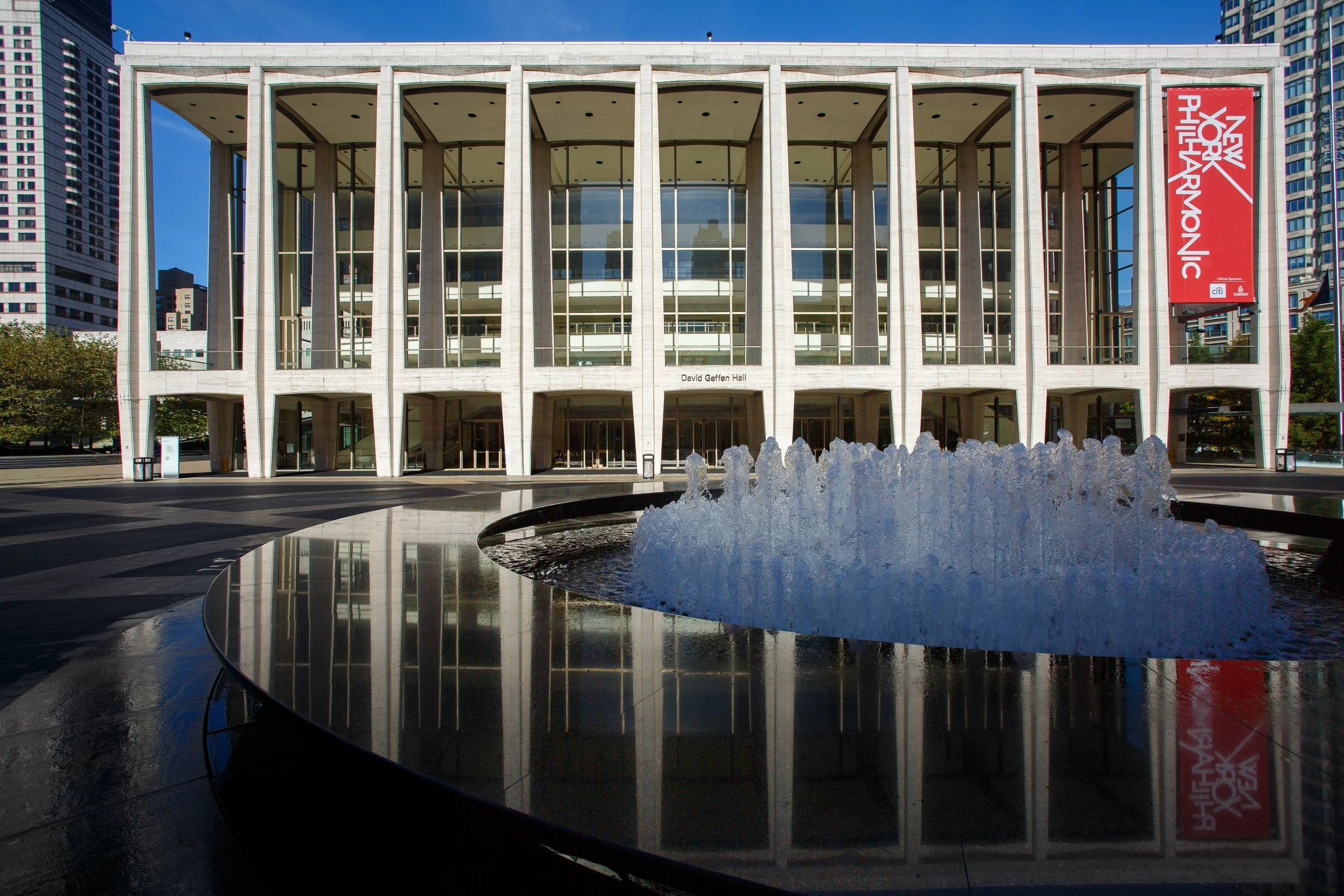
Can Gustavo Dudamel save classical music?
See audience strategy from the demand side
Your go-to source for audience insight, consumer trends, business model strategy, and fresh thinking on what drives relevance, demand, and growth in the arts.
Most read




Latest thinking









Don’t sleep on this trend
It’s getting personal. And arts organizations need to get on board—because mission alone won’t save you when the funding dries up.

Live Music: Better than Sex?
Researchers measured oxytocin levels (the “love hormone”) in concertgoers before and after a live performance. Here are the surprising results.

The problem with arts industry reports
You listen attentively to every industry report, waiting for that one nugget that will change your strategy. But halfway through, that nagging voice in your head always whispers: “How is this actually helpful?”

Noise < Signal
Most arts organizations can’t tell what’s driving growth—and what’s just noise. Not because they’re not measuring. But because the system itself was never designed to give them real answers.

Arts funding just got slashed. Now what?
The arts sector can’t catch a break. Audience declines. Shifting consumer behaviors. A global pandemic. And now—drastic cuts in federal funding. It’s time to rethink our business model.

Not All Innovation Sparks Growth
Ask any arts leader how to fix audience decline, and you’ll hear a familiar answer: "We need to innovate." They’re not wrong. But they're innovating in the wrong places.

This is how it’s done.
Hatch created a campaign for the Peabody Essex Museum and it is absolutely next level. I am gobsmacked.
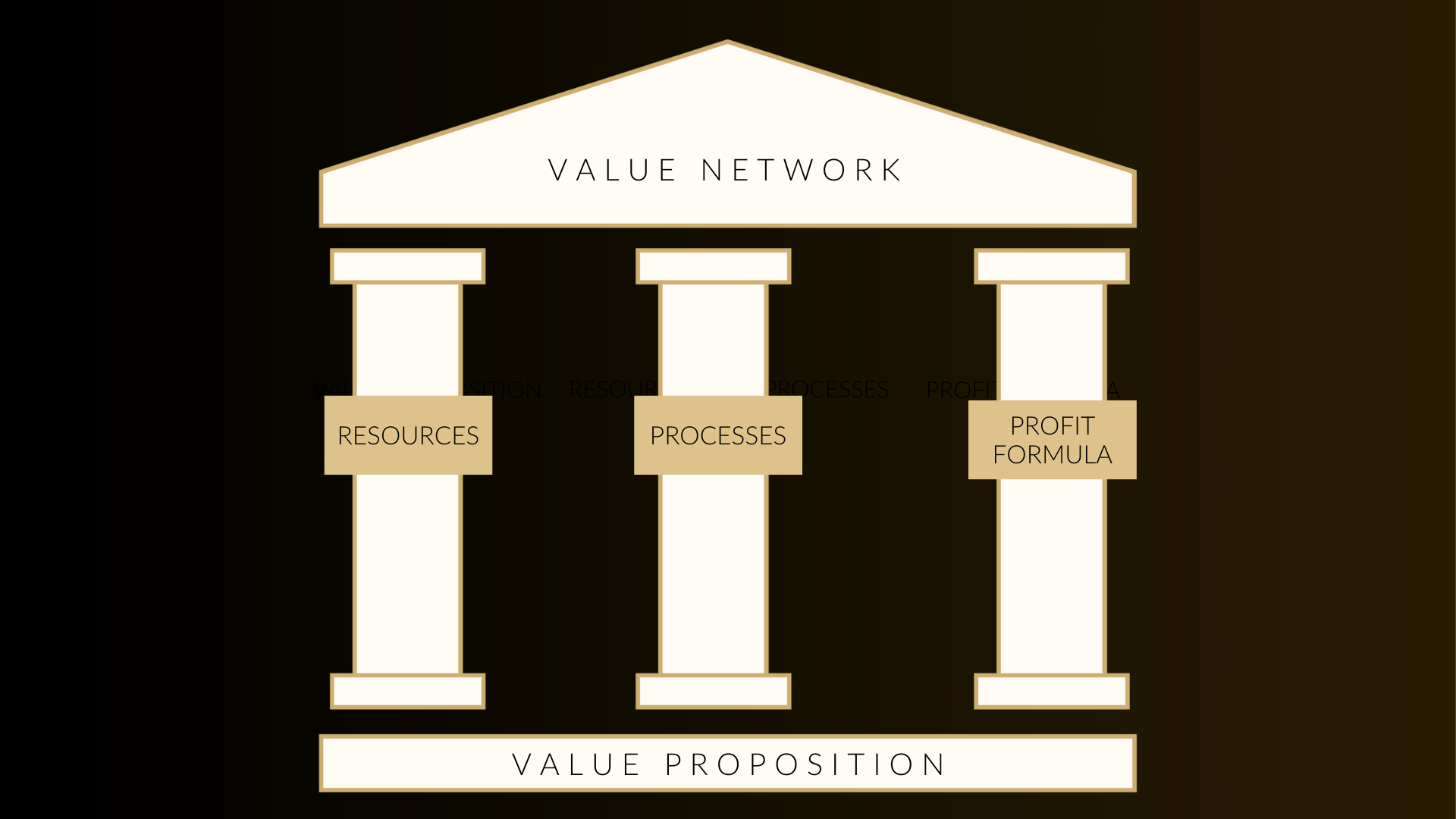
Defining business models in the arts sector
Most arts leaders who say ‘We need a new business model’ have no idea what a business model actually is. Let's break it down.

Arts Organizations Aren’t Failing. Their Outdated Models Are.
Business models are designed to defend the assumptions they were built on—even when external realities shift.

Open Letter to LinkedIn: Arts & Culture Belongs Here
For arts and culture professionals, LinkedIn makes it surprisingly hard to identify our profession. There’s no “Arts & Culture” category. Instead, we’re left cobbling together an identity from multiple unhelpful options.

Stop Segmenting Like It’s 1999
If you're only segmenting your audience by purchase behaviors or demographics, you're overlooking a massive opportunity for radical growth.

Find Your Blue Ocean: Create New Markets Instead of Fighting for Old Ones
This seeming existential crisis is actually a moment of huge opportunity. You just need to rethink the decades-old audience development playbook—and find your Blue Ocean.
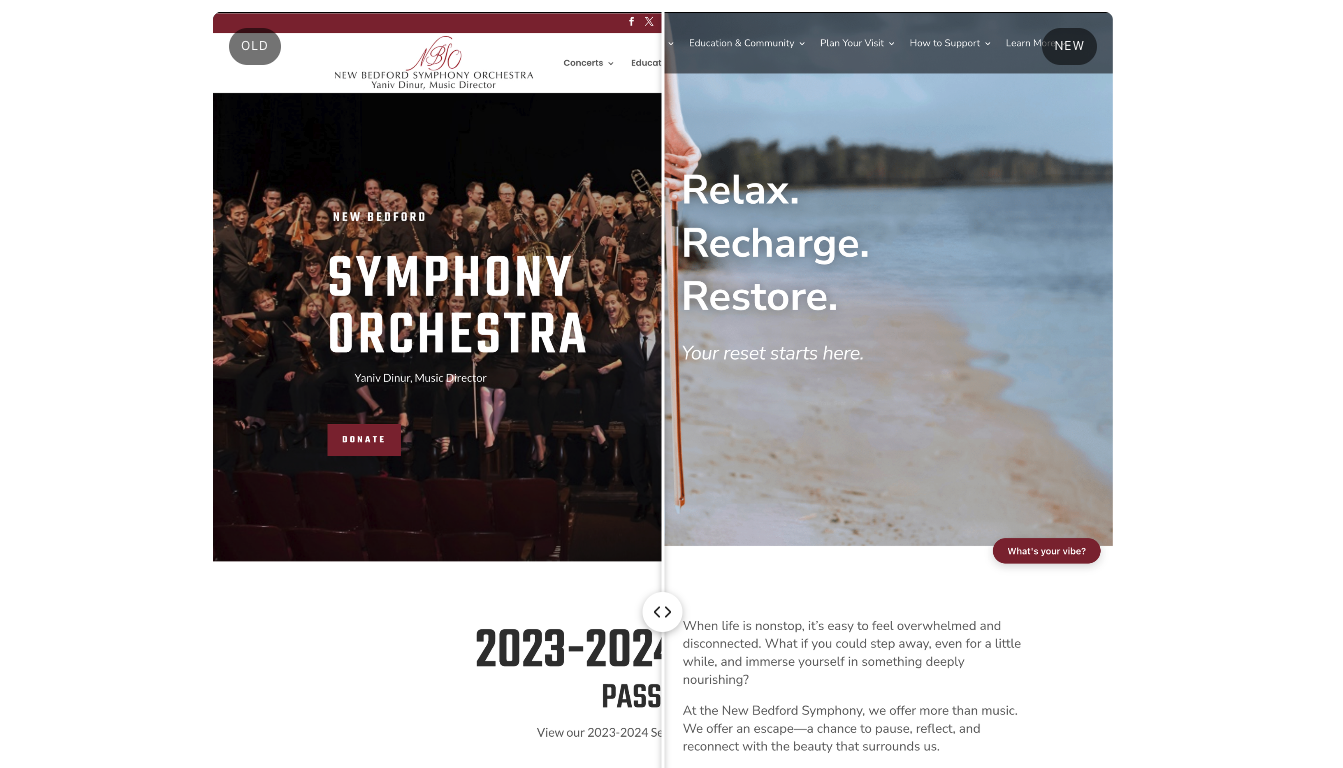
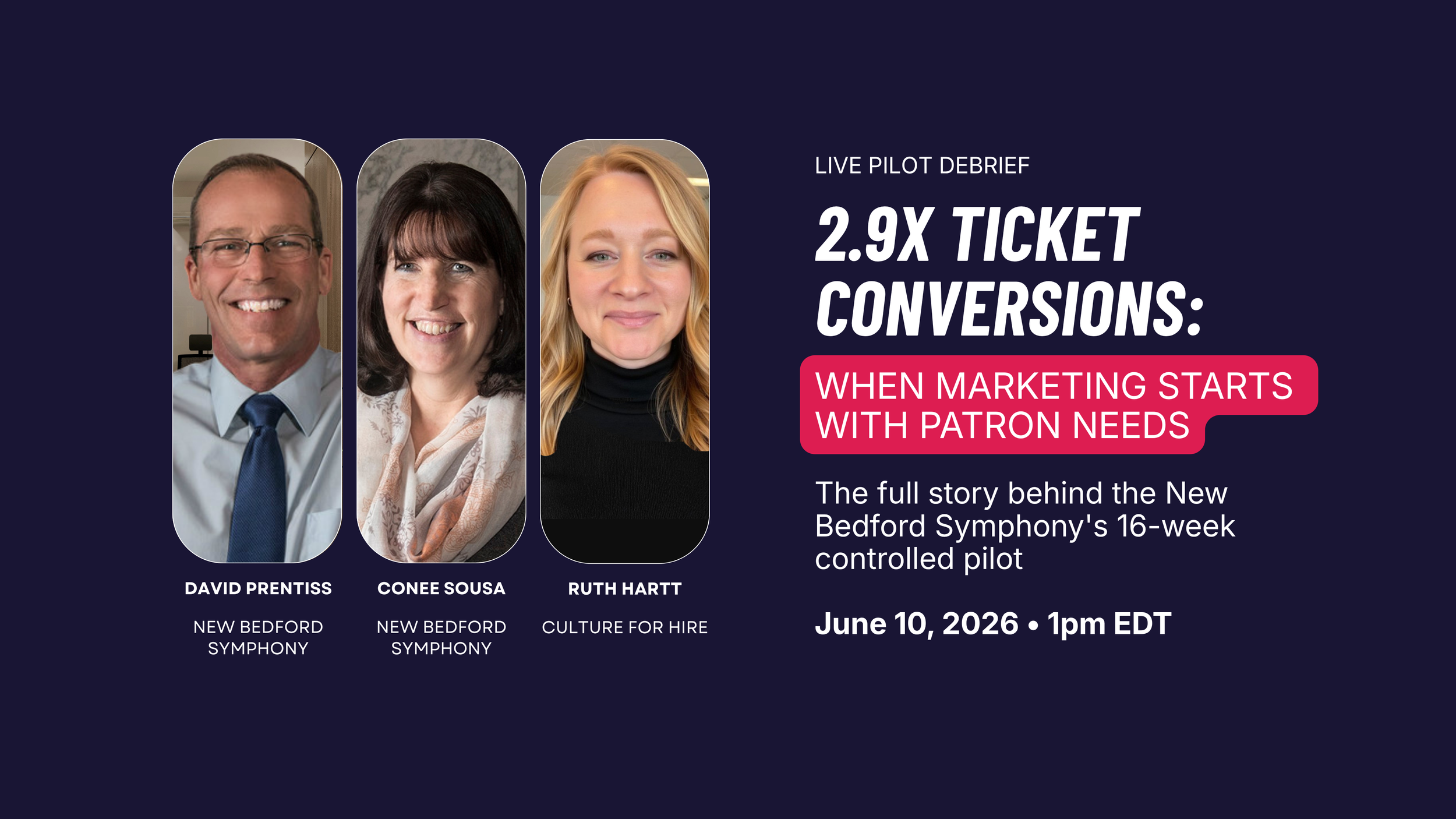
Can need-based intelligence increase engagement and drive higher ticket sales? A 16-week controlled test at the New Bedford Symphony.