LATEST POST
Built For a Different World: The Arts Business Model Problem
Most popular content
Only 9% of people are brand loyal. So why are we still building arts models that depend so heavily on loyalty?
Ask any arts leader how to fix audience decline, and you’ll hear a familiar answer: "We need to innovate." They’re not wrong. But they're innovating in the wrong places.
Business models are designed to defend the assumptions they were built on—even when external realities shift.
Last January, I set a SMART goal of reaching 5,000 LinkedIn followers (nearly twice what I was starting with) and doubling my LinkedIn reach by the end of the year…
Opera Philadelphia’s recent decision to introduce a pay-what-you-can model, with tickets starting as low as $11, has generated considerable buzz.
Most recent content
Arts organizations aren't naturally resistant to change. But it feels that way, right? And it’s all too easy to assume that it’s a leadership problem. It’s not.
What if arts patrons aren't inherently different? What if the traditional arts model makes them behave differently?
We’re living through the biggest data shift in 20 years, and it's forcing a reckoning for arts leaders: know your audience deeply, or lose them to organizations that do.
CEO: Ok, our stewardship is dialed in. Appreciation events, welcome gifts, the works. But donations are stuck. What’s your take?
New CMO: Don’t kill the messenger, but we’re playing one giving game when there are actually two.
Post-event surveys that ask “How satisfied are you?” or “How did it make you feel?” miss the point entirely.
It’s mid October. Your patrons are about to face one of their biggest holiday season frustrations: finding the perfect gift. Here are five consumer studies you need to know.
Personalization is billed as marketing’s holy grail. But most of what the industry calls “personalization” isn’t personal at all — it’s shallow behavioral tailoring, and consumers know it.
Forward-thinking organizations are applying universal design principles to their entire organizational structure, recognizing that inclusive design fosters innovation that benefits everyone.
For decades, arts leaders have been told to focus on people who already love the arts. Here's why that advice is limiting growth.
The headlines are exciting. "Arts sector grew at twice the rate of the total economy!" "We contributed $1.2 trillion to the GDP in 2023!" Here's what's actually happening.
If listening were a pipeline to attendance, our concert halls would be packed. They're not. Here’s why.
Golf didn't just stabilize a declining industry—they sparked record-breaking growth by making the sport accessible to people who never would have engaged before.
Most grant applications follow the same tired formula: Here's who we are, here's what we do, here's why we're great, here's why you should fund us.
Arts orgs have long relied on demographic and transactional data to segment their audiences—age, income, ticket history, and zip code serving as proxies for interest and intent. But these traditional models have lost their predictive power.
Arts organizations too often focus their sales pitches on “cultural enrichment”, citing industry reports or in-house surveys that say it’s a primary driver of engagement. But those studies asked the wrong question.
Now is the perfect time to step back, clear your head, and scan the bigger forces shaping audience behavior. These aren’t arts-specific reports—but that’s exactly the point.
The subscription model that the performing arts world is built around? It only briefly aligned with how most people actually behaved—a narrow window in time when routines, loyalty, and consumer habits lined up.
It’s getting personal. And arts organizations need to get on board—because mission alone won’t save you when the funding dries up.
Does your social media feed ignore your customer?
Here’s a hard truth: the average customer doesn’t care about you.
The California Symphony: Explaining Aubrey Bergauer’s extraordinary success through the lens of business theory
Aubrey brought the California Symphony back from the brink of financial ruin with jaw-dropping speed. The lens of business theory provides an explanation.
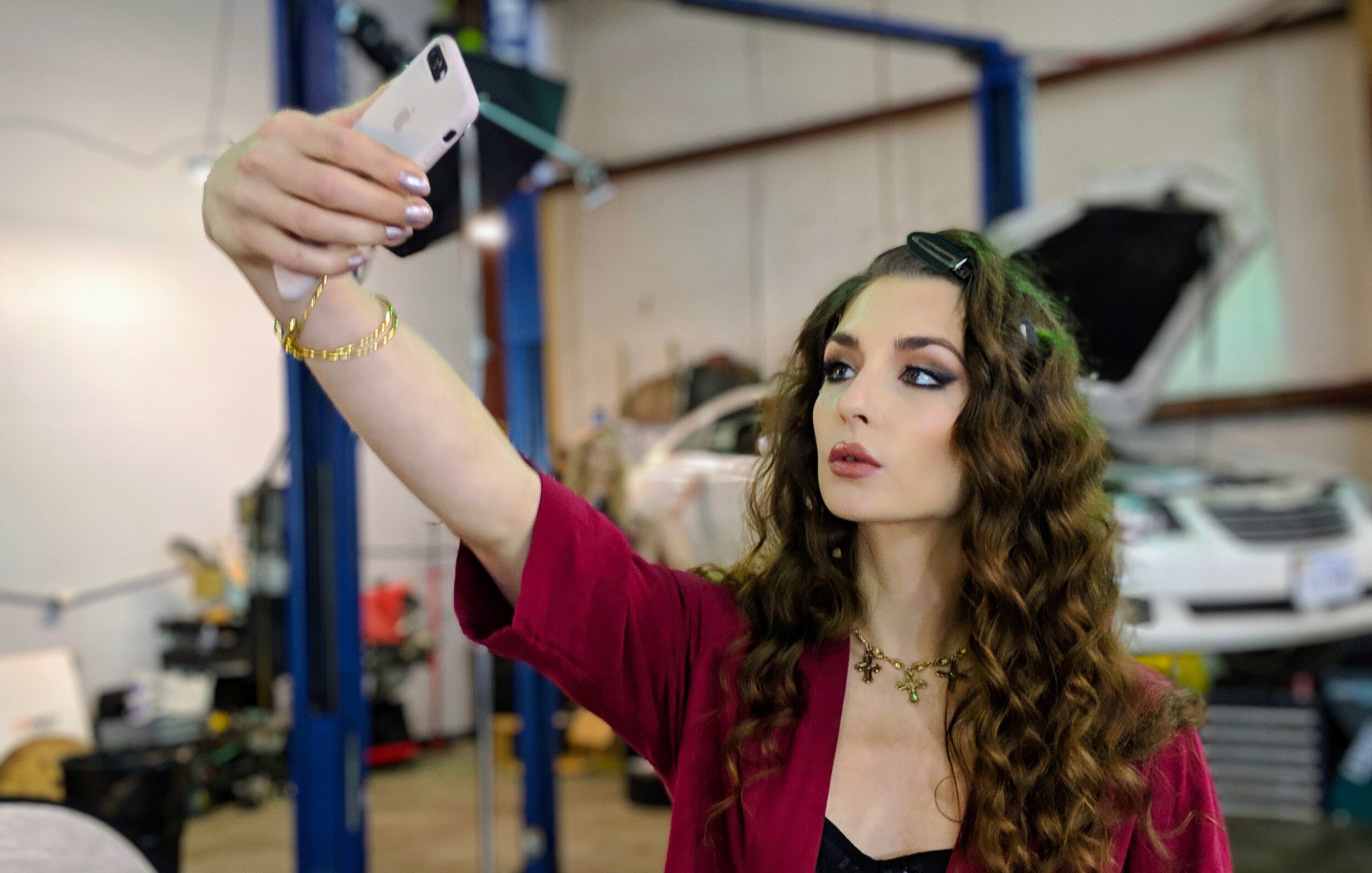
10 signs your cultural organization is egocentric
The egocentric perspective infiltrates everything from websites and social media to fundraising and marketing materials.

What opera singers share with marketers
Opera singers are trained to pursue their character’s deepest motivations. A marketer must be similarly equipped.
TikTok + Opera = A match made in heaven?
In the nine months since their first post in July 2020, their TikTok account has gathered an impressive five million likes and nearly 400,000 followers.
Help working parents rekindle their relationships
Add 4-5 hours of babysitting, and it’s a pretty expensive night out

Help concert-goers rub elbows with celebrities
Sometimes, you just want to see and be seen.

Help millennials escape from nonstop connectivity
Here’s another opportunity for arts administrators to create messaging that appeals to millennials.
Arts orgs have long relied on demographic and transactional data to segment their audiences—age, income, ticket history, and zip code serving as proxies for interest and intent. But these traditional models have lost their predictive power.