
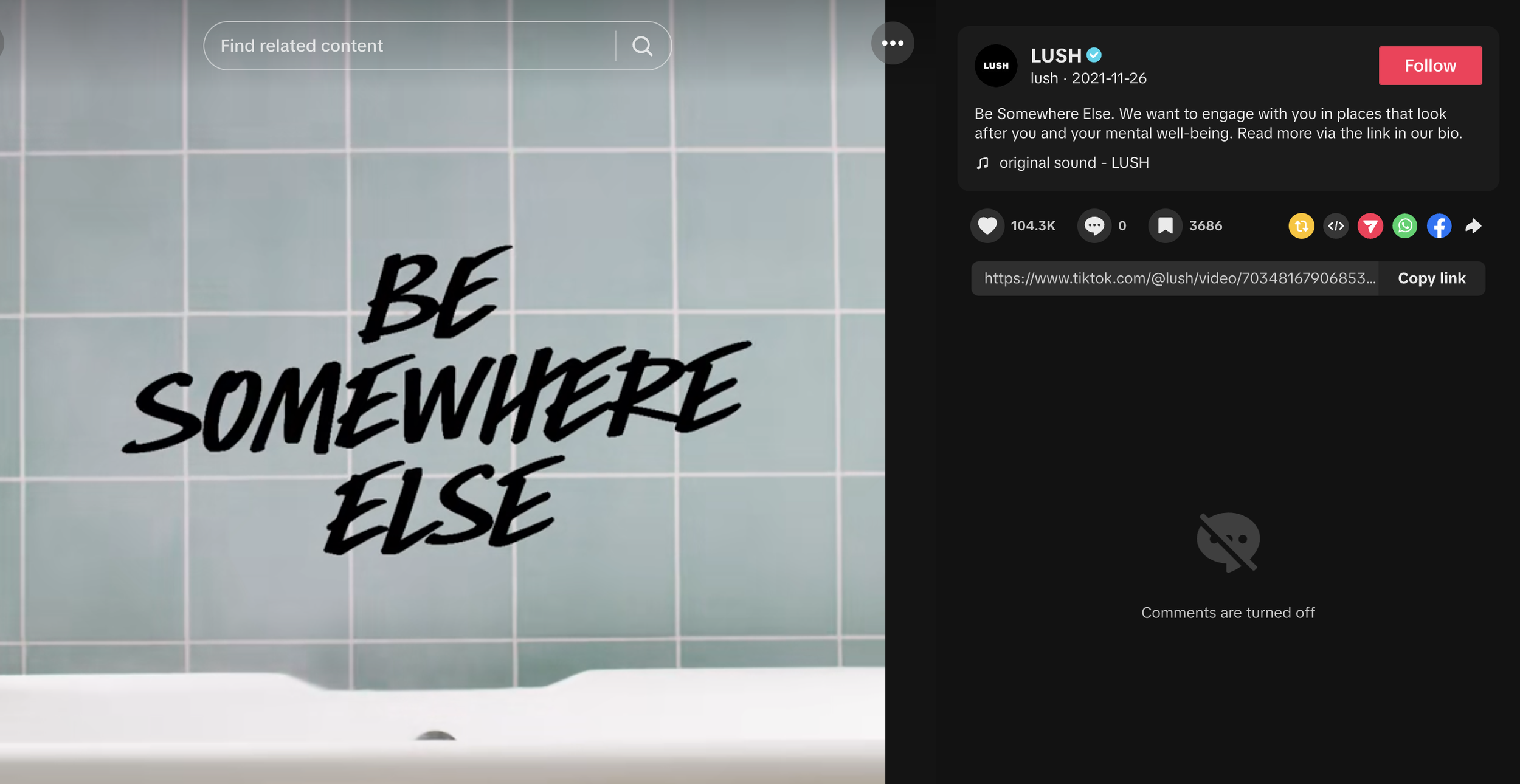
Cosmetic brand Lush is anti social. Its TikTok page has just one post: “Be somewhere else.”
It’s been there since 2021. That's the year Lush stopped posting and advertising on Facebook, Instagram, TikTok, and Snapchat. Instead, Lush has invested in building direct relationships with consumers through its own app, email marketing, and in-person events.
And according to a recent Digiday article, Lush’s annual revenue grew 9.4% in 2025.
One advantage of investing in direct customer relationships? More opportunities to learn what matters to people, and to use that understanding to become more relevant.
Exhibit A: On Lush's website, you can shop by how you want to feel: Relaxed. Sensual. Comforted. Uplifted. Grounded.
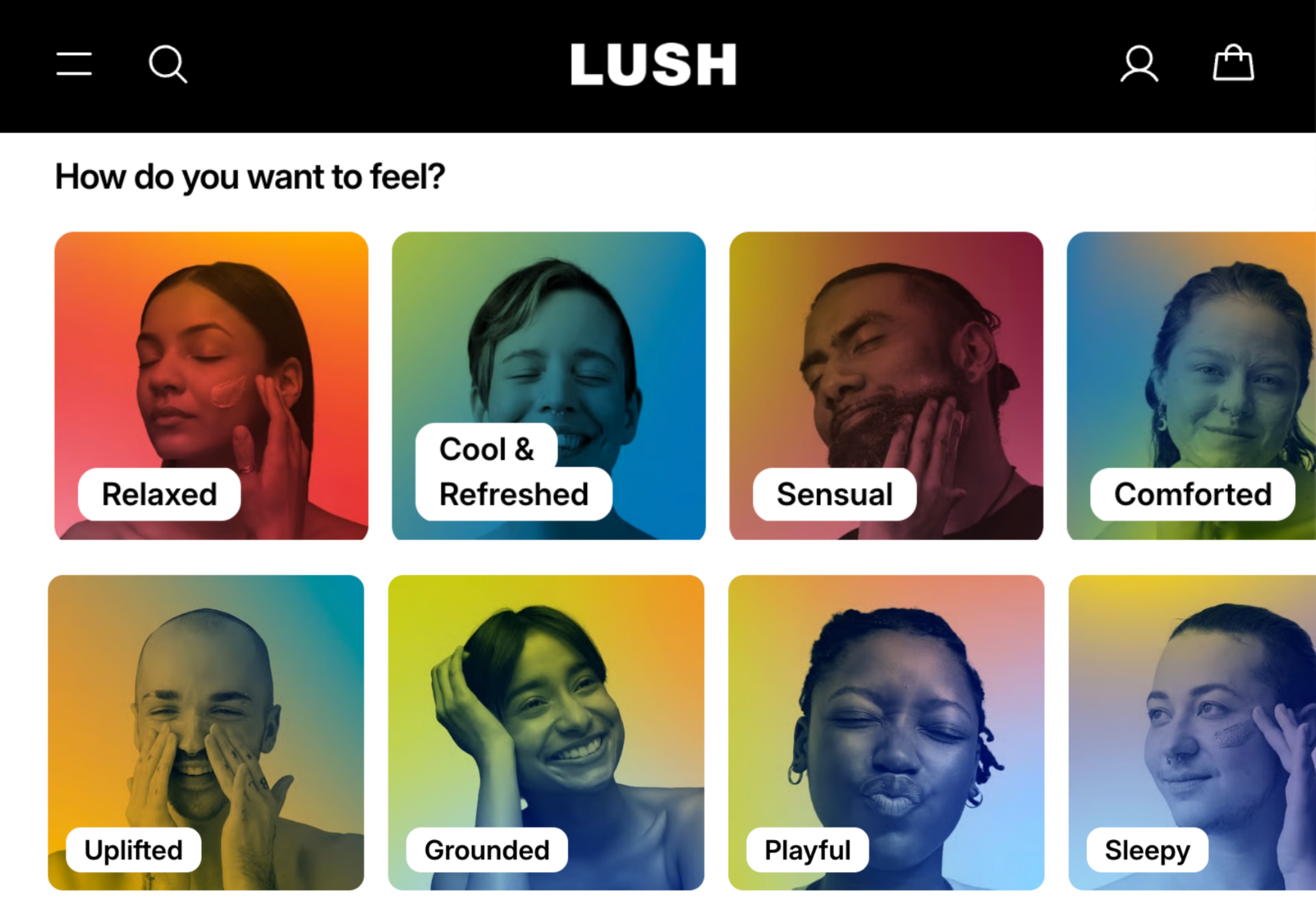
Think about how different that is from asking consumers to browse by product category. Lush is helping people discover products based on an outcome they want.
Someone who'd never considered a particular product might suddenly recognize its relevance when they see what it could do for them.
Of course, that got me thinking about the arts sector.
We spend substantial resources trying to reach new audiences. We invest in advertising, email campaigns, ticketing technology, and CRM systems. But what do we learn about the people we reach?
Someone buys two tickets to a concert because they've been under tremendous stress and want an evening that helps them feel restored. We record the concert, date, ticket price, and perhaps the customer's demographic information.
When it's time to encourage another purchase, we recommend another concert based on their previous attendance.
Meanwhile, the one thing that would explain how to be relevant to that person again was never collected: what they need most in their lives right now.
What if our websites let patrons shop by their desired outcome?
Imagine browsing concerts, exhibitions, and performances based on whether you're looking to unwind, connect with someone, escape your routine, or experience something extraordinary.
And imagine if we learned which of those outcomes mattered to individual customers—and used that understanding to make the arts more relevant over time.
How much demand are we missing because people can't see the connection between what we're offering and what they need right now?
